How to Handle a Blocked Drain in Itaquera: A Consultant’s Day-in-the-Life Walkthrough
If you are searching for a desentupidora em Itaquera São Paulo SP, the short answer is this: you need a local emergency drainage team that can reach your address quickly, diagnose whether the blockage is in your private line or the public network, and clear it without damaging the pipes. In practice, that means calling a 24-hour service, describing the symptoms accurately, and staying involved until the technician confirms the cause. I advise cautious clients on this exact scenario regularly, so here is a day-in-the-life account of how a real call-out should unfold, step by step, with a closing checklist you can keep on your phone.
Step 1: Recognise the Symptoms Before You Call Anyone
Most people call a drainage company only after water is already backing up onto the floor. A cautious client should act earlier. Slow-draining sinks, gurgling sounds from the floor drain, and a faint sewage smell in the bathroom are early warnings that a line is partially obstructed.
Write down what you observe and when it started. Note whether the problem affects one fixture or several, and whether it worsens after using the washing machine or shower. This information helps the dispatcher decide which equipment to send and prevents a wasted first visit.
One fixture or the whole property?
A single slow sink usually points to a local trap or branch line. Multiple fixtures backing up at once almost always means the main sewer line is blocked. That distinction changes the urgency and the tools required, so make the observation before you dial.
Check the obvious first
Look inside the drain cover for hair, soap residue, or food scraps. Confirm that no foreign object was flushed. If the cause is visible and shallow, a plunger may resolve it. If not, stop improvising and move to step two.
Step 2: Call a 24-Hour Local Team and Describe the Problem Clearly
This is the moment most cautious clients hesitate. They worry about being overcharged or sold unnecessary work. The best defence is a clear phone call. State your neighbourhood, the type of property, which fixtures are affected, and whether there is any sewage overflow.
Ask three questions before agreeing: Is there a call-out fee? How long until a technician arrives? Will the price be confirmed before work begins? A reputable desentupidora Itaquera service should answer all three without pressure.
What to have ready
- The full address and any access instructions for the building.
- A contact number that will be answered on site.
- Whether the property is residential, commercial, or a condominium.
- Any previous drainage work and when it was done.
If you manage a condominium, tell the dispatcher about access to the maintenance shaft or inspection box. Time lost finding keys is the most common reason a simple job becomes a long one.
Step 3: Prepare Access and Protect the Property While You Wait
While the team is on the way, do the small things that protect your home. Move rugs, boxes, and furniture away from floor drains and inspection covers. Place old towels around the base of toilets and drains that may overflow.
Stop using water where possible. Every flush or load of laundry adds pressure to an already blocked line. If sewage is backing up, keep children and pets away from the affected area and ventilate the rooms.
Clear a path for equipment
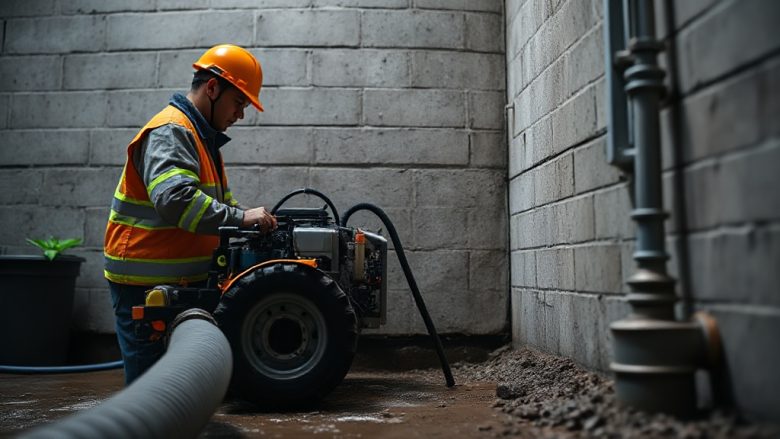
Professional drainage work often involves a cable machine or a high-pressure jetting hose. These need a clear route from the street or service entrance to the inspection point. Move vehicles if your building has a narrow driveway, and unlock any gate the technician will need.
Document the damage
Take photos of any overflow before cleaning begins. This is useful if you need to claim on insurance or show a landlord. It also helps the technician understand how far the water travelled.
Step 4: Watch the Diagnosis and Ask What Caused the Blockage
A proper call-out begins with inspection, not with a machine. The technician should open the inspection cover, check the water level, and test which fixtures feed the blocked section. Some teams use a camera to look inside the pipe.
Ask directly: what caused this? The answer matters because it determines whether you need a one-off clearance or a recurring maintenance plan. Grease, tree roots, collapsed pipe, and flushed wipes each require a different response.
Common causes in Itaquera properties
Older residential buildings often suffer from grease and soap buildup in kitchen lines. Houses with mature trees in the yard frequently deal with root intrusion. Commercial kitchens produce heavy grease loads that need periodic hydro jetting rather than reactive calls.
Red flags during diagnosis
Be cautious if a technician quotes a large repair before any inspection, refuses to show you the blockage, or insists on replacing pipework without explaining why. A second opinion is reasonable when the diagnosis feels rushed.
Step 5: Approve the Method and Confirm the Price Before Work Starts
Once the cause is known, the technician should explain the method and the cost. Manual cable clearing suits simple blockages. High-pressure hydro jetting is better for grease, scale, and roots because it scours the pipe walls rather than just punching a hole.
For a cautious client, the key rule is simple: no work begins until the price and scope are confirmed. Ask whether the quote covers the full clearance, cleanup, and a follow-up check. Get it in writing or by message.
Comparing the main methods
| Method | Best for | What to expect |
|---|---|---|
| Manual cable | Local blockages, traps, branch lines | Quick, lower cost, may not clean pipe walls |
| Hydro jetting | Grease, roots, scale in main lines | Thorough cleaning, higher cost, needs access |
| Camera inspection | Recurring or unexplained blockages | Diagnostic only, identifies damage |
If the technician recommends septic tank cleaning alongside drainage work, ask for that as a separate line item so you can judge the value independently.
Step 6: Supervise the Clearance and the Cleanup
Stay nearby while the work happens, even if you do not watch every minute. You want to see the moment the line clears, confirm that water drains freely from all affected fixtures, and check that no new leak appeared during the process.
Cleanup is part of the job. The team should remove debris, rinse the work area, and dispose of waste properly. If sewage touched the floor, ask what disinfectant was used and whether the area needs further cleaning.
Confirm the result with a simple test
Run hot water down the kitchen sink, flush the toilet twice, and run the shower for a few minutes. Watch the floor drain. If water rises or gurgles, the blockage is not fully resolved and you should say so before the team leaves.
Ask for a written summary
A short report of what was found and what was done is valuable for landlords, condominium records, and future maintenance. A professional desentupidora Itaquera São Paulo SP team should be comfortable providing one.
Step 7: Prevent the Next Blockage and Plan Maintenance
The final step is the one most clients skip. Once the drain is clear, the goal shifts from emergency response to prevention. Small habits and a light maintenance schedule save far more money than repeated emergency calls.
Never pour cooking oil down the sink. Use drain strainers in showers and kitchen sinks. Teach everyone in the household what should not be flushed. For commercial kitchens, schedule periodic hydro jetting before grease becomes a crisis.
When to book preventive service
If your property has had two or more blockages in a year, or if the building is older with mature trees nearby, an annual inspection is sensible. Condominium managers should include drainage checks in the building maintenance calendar.
Keep your contact list ready
Save the number of a reliable 24-hour drainage service before you need it. In an emergency, you do not want to be comparing unfamiliar companies at midnight while water is rising.
Your Closing Checklist: What to Confirm Before and After the Visit
Use this checklist as a quick reference for the next time a drain misbehaves. It is designed for cautious clients who want a clear process rather than a panicked phone call.
- Symptoms recorded: which fixtures, when it started, any smell or overflow.
- Call placed to a 24-hour local team with call-out fee and arrival time confirmed.
- Access prepared: keys, driveway, inspection covers, pets and children away.
- Diagnosis explained and cause identified before any machine is used.
- Price and scope confirmed in writing before work begins.
- Clearance tested at every affected fixture while the team is still on site.
- Cleanup completed and written summary requested.
- Prevention plan set: strainers, no grease down the sink, annual inspection if needed.
Handled this way, a blocked drain becomes a manageable event rather than a household crisis. The pattern is always the same: observe, call, prepare, ask, confirm, supervise, and prevent.
Frequently Asked Questions
How quickly can a drainage team reach Itaquera?
Arrival time depends on traffic and the time of day, but a local 24-hour service operating in São Paulo’s east zone is generally able to reach Itaquera faster than a company based across the city. Always ask for an estimated arrival window when you call.
Should I try chemical drain cleaners first?
Chemical cleaners can help with light organic buildup in a single sink, but they are risky in older pipes and ineffective against roots or solid blockages. If the problem affects multiple fixtures, skip the chemicals and call a professional.
Is hydro jetting safe for older pipes?
When pressure is adjusted correctly, hydro jetting is safe for most residential lines. The technician should inspect the pipe condition first, especially in older buildings, and reduce pressure where the pipe is fragile.
Who is responsible for a blocked main line in a condominium?
Responsibility depends on where the blockage sits. Blockages inside a private unit are usually the owner’s responsibility, while the shared main line falls to the condominium administration. A camera inspection helps establish the location and settle the question.
Do I need to be home during the service?
Yes, or someone with authority to approve the work should be present. The technician needs access to inspection points and needs approval before starting, so plan for an adult to stay on site until the job is confirmed complete.