Inside a Casa Verde Service Visit: What Happens, Step by Step
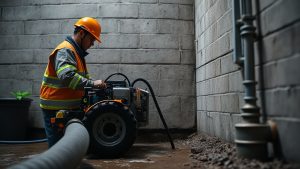
A resident watches a technician unpack coiled cables and pressure hoses from a van and wonders what each piece of equipment is actually for. That curiosity is the starting point for understanding how a professional drain-clearing visit unfolds. If you have searched for a desentupidora em Freguesia do Ó São Paulo SP, you are probably looking for a clear answer to a simple question: what will these people do inside my home or building, and in what order? This walkthrough follows a standard service visit stage by stage, from the moment the team arrives to the final handover.
The goal here is transparency. A blocked drain, a backed-up sewer line, or a full septic tank is stressful enough without wondering whether the technician is guessing. Knowing the sequence of a normal visit helps you ask better questions, prepare the space, and recognize when a job is being done properly.
Arrival and First Contact at the Property
The visit begins before any tool touches a pipe. A technician typically introduces the team, confirms the reported problem, and asks how long it has been happening. That short conversation matters because a drain that has been slow for weeks tells a different story than one that backed up suddenly during heavy rain.
Next comes a quick walk-through. The technician looks at the affected fixtures, checks nearby floor drains, and asks whether other parts of the property have shown symptoms. In apartment buildings, this often includes a stop at the building’s main cleanout or inspection chamber to see whether the blockage is local or shared.
At this stage, the team also protects the work area. Floor coverings, shoe covers, and a clear path for equipment are standard. If the property has pets or small children, this is the moment to move them to a safe room. A well-organized arrival is not decoration; it prevents damage and makes the diagnosis faster.
Diagnosis: Finding the Real Cause Before Clearing
Experienced technicians resist the urge to start pushing a cable into the first drain they see. Diagnosis is where the visit earns its value. The team checks water levels in fixtures, tests how quickly drains empty, and listens for gurgling that suggests air trapped behind a blockage.
Depending on the property, the diagnosis may involve a camera inspection. A small camera on a flexible rod travels through the pipe and shows the inside of the line on a monitor. This is how technicians distinguish between grease buildup, tree roots, collapsed pipe sections, and objects flushed by mistake. Each cause needs a different tool, and guessing wastes time and money.
What the technician is looking for
- Whether the blockage is in a single fixture branch or in the main line
- Signs of grease, soap scum, or scale narrowing the pipe
- Root intrusion or displaced joints in older clay or concrete pipes
- Foreign objects such as wipes, toys, or construction debris
- Whether a septic tank or grease trap is full and backing up into the system
Only after this stage does the team recommend a method. Homeowners are often surprised to learn that two identical-looking backups can require completely different equipment. That is why a reputable desentupidora Freguesia do Ó will explain the suspected cause before starting work.
Clearing the Line: Tools and Methods Explained
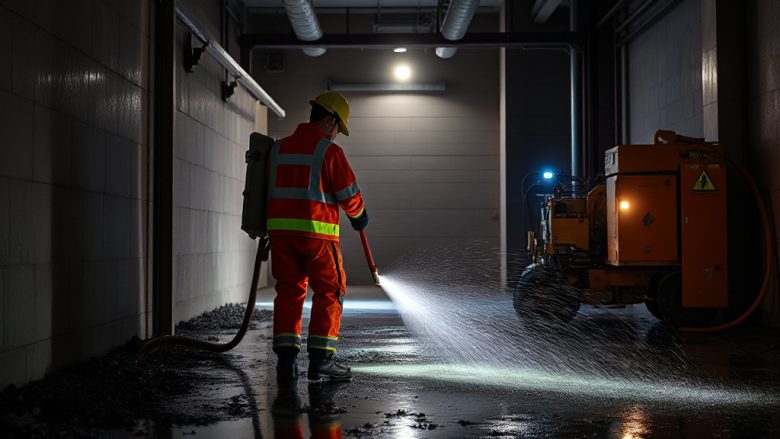
Once the cause is identified, the actual clearing begins. The method depends on the pipe diameter, the material, and the type of obstruction. A technician may use a manual auger for a simple sink clog, a motorized cable machine for a toilet branch, or high-pressure hydro jetting for a main sewer line coated with grease and roots.
Hydro jetting deserves a short explanation because it is often misunderstood. A flexible hose delivers water at high pressure through a specialized nozzle that scours the pipe walls in all directions. It does not just punch a hole through the blockage; it cleans the interior surface. This matters because a partially cleared pipe can clog again within weeks.
Typical clearing sequence
- Access the nearest cleanout or remove the fixture trap
- Insert the appropriate cable or jetting hose to the estimated blockage depth
- Work the obstruction gradually, checking water flow between passes
- Flush the line to confirm debris is moving toward the main sewer
- Repeat if the camera still shows residue on the pipe walls
During this stage, the technician should keep the resident informed, especially if the job requires opening a floor drain or moving furniture. If a pipe is fragile or already cracked, the team may stop and recommend repair rather than risk a break. That pause is a sign of professionalism, not failure.
Testing and Verification After the Blockage Is Gone
A drain that runs once is not proof of success. The testing stage confirms that the whole system, not just the visible fixture, is flowing correctly. The technician runs water through multiple fixtures at the same time and watches for slow drainage, gurgling, or leaks at joints.
If a camera was used during diagnosis, it is often used again after clearing. The second inspection shows whether the pipe walls are clean and whether any damage was revealed once the blockage was removed. This is also when the technician checks the septic tank level or grease trap if those systems are part of the property.
Testing is the moment to ask questions. If the flow is still sluggish, the cause may be a partially collapsed line or a venting problem rather than a simple clog. A thorough desentupidora Freguesia do Ó São Paulo SP team will document what was found so the resident has a record for future maintenance or for a building manager’s files.
Wrap-Up, Cleanup, and Prevention Advice
The final stage is about leaving the property better than it was found. Equipment is packed, protective coverings are removed, and any debris pulled from the drain is disposed of properly. The technician then walks the resident through what happened in plain language: where the blockage was, what caused it, and what was done.
Prevention advice should be specific, not generic. A kitchen line that clogged with grease may need a habit change around pouring oil down the sink. A building with recurring root intrusion may need a scheduled camera inspection. A septic system that filled faster than expected may need a pumping interval adjustment.
What a good handover includes
- A short verbal summary of the cause and the method used
- Photos or camera footage when an inspection was performed
- Recommendations for maintenance or repair, with priorities
- Clear information about any warranty on the service
- Contact details for follow-up if the problem returns
Residents should not feel rushed during this conversation. If something is unclear, ask. A technician who can explain the difference between a branch clog and a main-line problem in everyday language is usually one who understands the work.
Why the Step-by-Step View Matters for Residents
Understanding the sequence changes how a resident experiences an emergency. Instead of seeing a blur of equipment and noise, you can follow the logic: arrival, diagnosis, clearing, testing, and handover. You can also spot shortcuts. A team that skips diagnosis and jumps straight to a cable may clear the symptom while leaving the cause in place.
For building managers and homeowners alike, this transparency supports better decisions. It is easier to approve a recommended camera inspection or a hydro jetting service when you understand what the previous steps revealed. It is also easier to compare quotes, because you can ask whether diagnosis, clearing, and testing are all included.
The next time you watch a technician unpack equipment outside your door, the tools will make more sense. The cables, hoses, and cameras are not random; each one belongs to a specific stage of a process designed to solve the problem once rather than postpone it. That is the real value of a professional service visit.